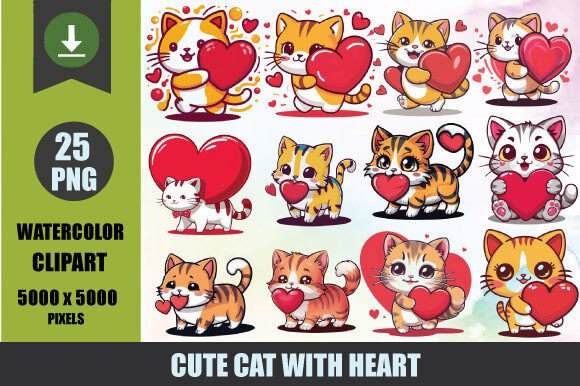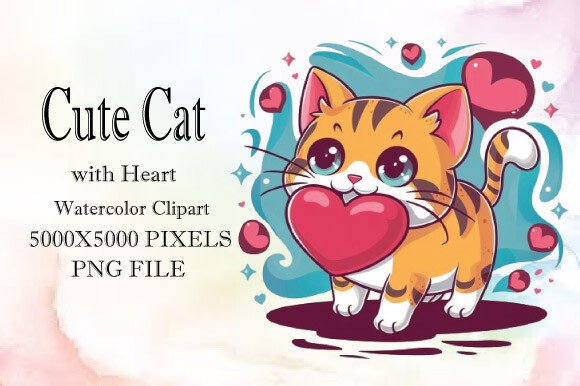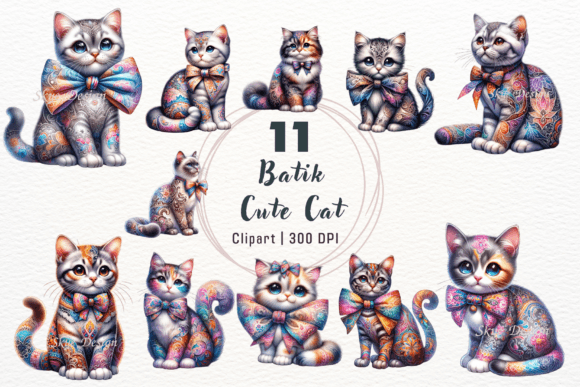
Watercolor Batik Cute Cat Clipart Review
As a professional embroidery designer who spends countless hours digitizing and testing artwork for real-world production, I approach every new asset with a critical eye. When evaluating Watercolor Batik Cute Cat Clipart, my first thought isn't just about how pretty the illustration looks on a screen; it is about how those fluid, artistic lines will translate into thread on fabric. This specific design captures a whimsical, hand-painted aesthetic that is incredibly popular right now, but translating watercolor effects into a machine embroidery design requires careful consideration of stitch types and fabric choices.
The mood of this clipart is undeniably soft and nostalgic. The batik style implies organic color blending and irregular edges, which differs significantly from traditional cartoon cat vectors with hard outlines. For an Etsy seller or small shop product creator, this visual personality suggests items meant for comfort and boutique appeal rather than rigid corporate branding. However, before I commit this to a custom apparel line or a personalized gift, I have to assess whether the digital file supports the physical reality of stitching.
Real-World Application: The Custom Tote Bag Test
To truly understand the viability of Watercolor Batik Cute Cat Clipart, I mentally place it in a current project scenario. Recently, I was tasked with creating a series of reusable canvas tote bags for a local animal shelter fundraiser. The client wanted something artistic that didn't look like generic clipart. This design seemed like the perfect candidate for a tote bag design because the watercolor texture mimics screen printing or fabric paint, elevating the perceived value of the handmade product.
In this scenario, the challenge lies in the stitch density. Canvas is durable, but if the batik effect is achieved through excessive layering of fill stitch, the bag could become stiff and unappealing to carry. A successful adaptation of this clipart would utilize varied stitch angles and perhaps some negative space to maintain the fabric's drape. If the embroidery file is well-digitized, the cat should look painted rather than armored. For commercial embroidery projects like these, where washability and tactile feel are paramount, the transition from digital art to stitched reality must be seamless. Customers trust products that feel intentional, not over-stitched.
Fabric Compatibility and Hoop Considerations
Not every fabric is a friend to the watercolor aesthetic. When planning a sweatshirt embroidery project using this cute cat motif, you must account for fleece texture. The fuzzy surface of sweatshirts can swallow fine details. If the Watercolor Batik Cute Cat Clipart relies on delicate running stitch details to define the whiskers or fur texture, those elements might disappear into the nap of the fabric. In such cases, I recommend testing on scrap material first or slightly increasing the column width of outline stitches to ensure visibility.
Conversely, for baby embroidery on onesies or bibs, the concern shifts to skin safety and garment weight. Baby knits are stretchy and thin. A dense batik fill can cause puckering or make the garment heavy and uncomfortable. Here, checking the hoop size relative to the design area is crucial. You want enough margin for proper stabilization without stretching the knit out of shape. Using a cut-away stabilizer is non-negotiable for knits to prevent distortion during the stitching process. Always verify that the digital embroidery file includes appropriate underlay; without it, the watercolor colors may sink into the stretchy fabric, losing that vibrant, artistic pop.
Navigating Dark Fabrics and Contrast
Watercolor designs are typically optimized for light backgrounds. If you intend to use this on dark navy or black apparel, you face a contrast hurdle. Unlike standard vector art where you can simply swap white for black, watercolor relies on translucency. On dark fabric, you may need to stitch a white underbase or choose a version of the design specifically adapted for dark garments. As a reviewer, I always advise makers to test thread colors against the actual garment fabric, not just a digital preview. What looks vibrant on a monitor might appear muddy on charcoal cotton. This step is vital for maintaining brand consistency and ensuring the finished product matches your printable mockup expectations.
Technical Integrity and Stitch Translation
When reviewing Illustrations for embroidery potential, I look closely at how gradients are handled. True watercolor cannot be replicated exactly in thread, so the applique design approach or specialized shading fills are often used. Does this clipart offer clean separation between color regions? If the transitions are too blurry in the source art, the digitizer may have had to create abrupt color stops that look jagged when stitched. High-quality design assets for embroidery should have distinct zones that allow for smooth satin borders or blended fills without excessive jumps and trims.
For embroidered patch creation, this design offers unique opportunities but also risks. Patches require tight merrowed edges or dense satin borders. If the cat’s ears or tail have wispy, watercolor-style edges that fade to nothing, they cannot form a structural patch edge. You would need to add a solid backing shape or modify the artwork. Understanding these limitations prevents wasted time and materials. Whether you are making patches, holiday embroidery ornaments, or nursery decor, the structural integrity of the design dictates its success.
Commercial Viability and Professional Presentation
For the craft business owner, Watercolor Batik Cute Cat Clipart represents more than just a cute image; it is a potential revenue stream. However, buyer engagement depends on presentation. When listing this on Etsy or your own site, avoid showing only the digital rendering. Photograph a stitched sample. Buyers need to see how the batik texture renders in thread. Does it look high-end or messy? Your reputation as a maker hinges on this transparency.
Furthermore, consider the licensing. Before selling custom apparel or digital files derived from this clipart, confirm the commercial usage rights. Some licenses allow for physical end products but prohibit selling the embroidery file itself. Clarifying this protects your business. Also, think about scalability. Can this cat be resized for a pocket logo and a full-back print without losing detail? Versatile design assets save money and time. If the design falls apart at 2 inches wide, its utility for personalized gift tags or sleeve cuffs is limited.
Essential Pre-Stitch Checklist for Makers
Before running this design on a final product, run through this practical checklist to ensure professional results:
- Test Stitch First: Never assume the digitization is perfect for your specific machine and fabric combination. Run a test on similar scrap fabric to check registration and density.
- Verify Stabilizer Choice: Match the stabilizer to the fabric weight. Watercolor fills often require more support than simple line art to prevent puckering.
- Check Thread Palette: Ensure you have the correct sheen and shade. Matte threads might suit the batik look better than high-sheen rayon, depending on the desired finish.
- Inspect Small Details: Zoom in on the file. Are tiny facial features distinct? If they are smaller than 1mm, they may not stitch clearly and might need editing.
- Review License Terms: Double-check if you can use this for commercial embroidery or if it is restricted to personal use only.
- Mockup Accuracy: If using printable mockup software, adjust the texture overlay to mimic thread rather than ink to set accurate customer expectations.
Ultimately, Watercolor Batik Cute Cat Clipart is a charming asset with strong potential for the handmade market. Its success, however, relies entirely on the maker's technical understanding of how to bridge the gap between digital artistry and textile reality. By respecting the physics of thread and fabric, you can transform this lovely illustration into a best-selling small shop product that delights customers and showcases your professional craftsmanship.