Watercolor Cute Gnome Clipart: An Embroidery Review
As a professional embroidery designer and product reviewer, I approach every new asset with a critical eye. When evaluating Watercolor Cute Gnome Clipart, my first thought isn't just about how pretty the illustration looks on a screen; it is about how those soft watercolor washes will translate into physical thread. This specific set of illustrations carries a distinct whimsy that appeals strongly to the current market for cottagecore and nursery aesthetics. However, moving from a digital raster or vector file to a tangible machine embroidery design requires careful consideration of texture, density, and fabric interaction. In this review, I am assessing these graphics specifically through the lens of real-world production for small businesses and serious hobbyists.
First Impressions and Visual Translation
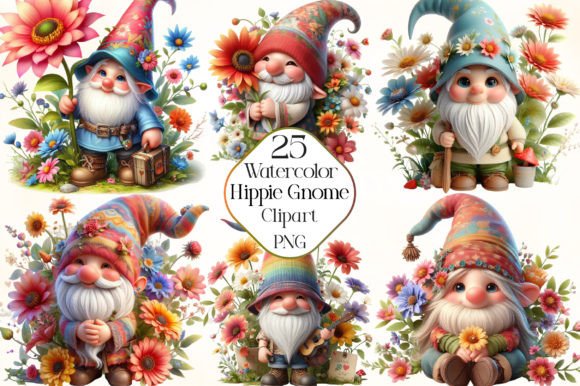
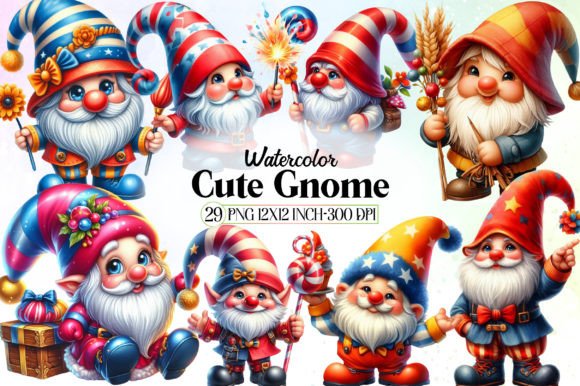
The immediate strength of this Watercolor Cute Gnome Clipart lies in its organic edges and soft color gradients. Unlike rigid line art, watercolor styles rely on blending and opacity. For an embroiderer, this signals a need for specialized digitizing techniques. You cannot simply run an auto-digitizer over these images and expect a professional result. The charm of this artwork is in the imperfection of the paint strokes, which means your embroidery file must utilize variable density fill stitch patterns rather than solid blocks of color to mimic that translucent, painted effect.
Visually, the gnome characters possess a rounded, friendly silhouette that reads well even at smaller sizes. This is crucial because intricate details often get lost when scaling down for items like baby bibs or shirt cuffs. The layout feels balanced, making it an excellent candidate for center-chest placement or as a focal point on a tote bag design. As Illustrations, they evoke warmth and nostalgia, suggesting they would perform exceptionally well in personalized gifts where emotional connection drives the sale.
Real-World Application: The Custom Sweatshirt Test
To truly evaluate viability, I mentally tested this design against a common client request: a custom embroidered sweatshirt for a boutique holiday collection. Sweatshirts are typically made of fleece or French terry, fabrics with significant texture and stretch. Here is where the practical judgment comes in. The soft nature of the Watercolor Cute Gnome Clipart complements the cozy feel of a sweatshirt, but the fabric texture can fight against fine detail.
If I were producing this finished product, I would avoid tiny running stitch outlines that might sink into the fleece nap. Instead, I would recommend using a slightly heavier weight thread or increasing the underlay to create a smooth foundation. The watercolor aesthetic actually forgives some texture interference better than crisp geometric designs, as the "messiness" of the fabric can blend with the intended painterly look. For a craft business or Etsy seller, this design offers high perceived value on apparel because it looks hand-painted rather than mass-produced, provided the digitizing respects the original artistic intent.
Navigating Fabric Limitations and Hoop Sizes
While versatile, this clipart demands respect for material constraints. I advise caution when applying this design to highly textured surfaces like terry cloth towels or uneven weaves unless you are creating an applique design. If the gnome includes a hat or beard element suitable for applique, use a felt or cotton fabric that contrasts gently with the base garment. This adds tactile interest that enhances the watercolor theme without relying solely on dense stitching.
Be mindful of your hoop size limitations. Watercolor effects require space to breathe. Cramming this design into a 4x4 hoop may force you to remove too much shading, resulting in a flat, cartoonish look that betrays the source material. For commercial embroidery projects targeting higher price points, opt for larger hoops to preserve the gradient transitions. Additionally, dark fabrics present a challenge. Watercolor is inherently light; stitching this onto navy or black fabric requires a white underbase or a complete color palette adjustment to maintain visibility and mood. Always test on scrap fabric first to ensure the thread colors interact correctly with the background.
Commercial Viability for Makers and Sellers
For digital product sellers and makers, the question is always about return on investment. Does this Watercolor Cute Gnome Clipart have legs? Absolutely, particularly for seasonal markets. However, success depends on presentation. When creating a printable mockup or listing photo, do not just show the flat digital image. Show a stitched-out sample or a realistic 3D render that demonstrates how the watercolor texture translates to thread. Buyers need to trust that the design assets they are purchasing will yield a professional handmade product.
This style bridges the gap between adult farmhouse decor and children’s nursery items. It allows a single shop to cater to multiple demographics using consistent branding. Whether you are making a personalized gift for a grandparent or a baby embroidery keepsake, the gentle aesthetic remains appropriate. Just remember to verify licensing terms before selling. Ensure you have the right to use these illustrations for small shop product sales versus personal use only, as this protects your business integrity.
Technical Notes for Successful Stitch-Outs
Before committing to a full production run, adhere to these practical designer notes to ensure quality:
- Test Stitch Density: Watercolor styles can become bulletproof if over-digitized. Aim for lighter densities with proper underlay to keep garments soft and wearable.
- Stabilizer Selection: Because watercolor designs often cover larger areas with varying densities, use a cut-away stabilizer for knits to prevent puckering, and a tear-away for stable wovens.
- Color Blending: Utilize thread blending techniques or variegated threads to replicate the gradient shifts found in the original clipart. Solid blocks of color will look amateurish against this art style.
- Detail Inspection: Zoom in on the digital file to check for stray pixels or artifacts that could cause unnecessary jumps or trims during embroidery.
- Mockup Testing: Create black and white versions of your mockups to test contrast. If the design disappears in grayscale, it lacks sufficient definition for certain fabric backgrounds.
- Licensing Verification: Before listing any custom apparel or embroidered patch derived from this art, confirm whether the license covers physical end-products or requires attribution.
Final Thoughts on Design Integrity
The Watercolor Cute Gnome Clipart represents a beautiful intersection of digital art and traditional craft potential. It offers creative entrepreneurs a chance to elevate their inventory beyond standard stock vectors. Success with this design relies on understanding that you are translating a medium, not just copying an image. By respecting the nuances of stitch density, choosing appropriate fabric texture pairings, and maintaining the soft integrity of the original illustration, you can create holiday embroidery and everyday goods that resonate deeply with customers. Treat this clipart as a collaborative partner in your design process, and your finished stitches will reflect both technical proficiency and genuine artistic appreciation.