Spring Peonies Watercolor Clipart for Embroidery
As a professional embroidery designer and product reviewer, I approach every new digital asset with a healthy dose of skepticism. When evaluating Spring Peonies Watercolor Clipart, my primary concern is not just how beautiful the illustration looks on a screen, but how it translates into thread. Watercolor aesthetics are notoriously difficult to replicate in machine embroidery because they rely on soft gradients and organic edges that contrast sharply with the structured nature of stitching. After reviewing this collection from a practical production standpoint, I see significant potential for specific applications, provided you understand the technical bridge between digital art and textile reality.
Translating Soft Aesthetics to Stitched Reality
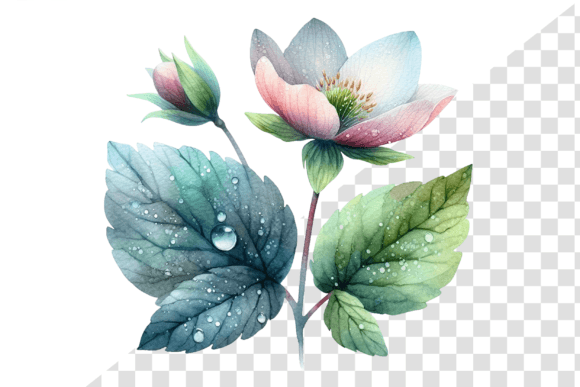
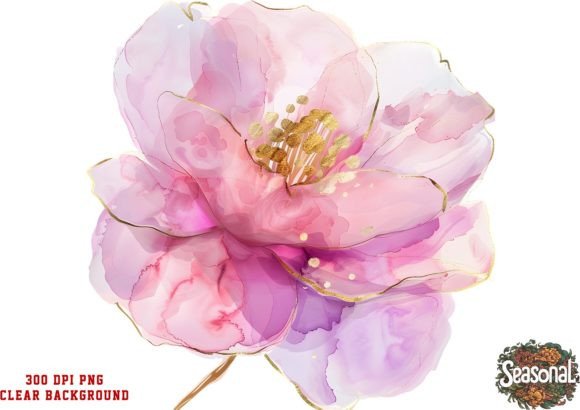
The first impression of these Spring Peonies Watercolor Clipart files is one of romantic softness and botanical elegance. The color palettes typically associated with peonies—blush pinks, creamy whites, and sage greens—are rendered with a fluidity that suggests high-end stationery or wedding invitations. However, as an embroiderer, I immediately look for edge definition. In many watercolor-style illustrations, the boundaries between colors are blurred. For a successful machine embroidery design, there must be distinct separation zones where the digitizer can place clean stop points.
If you are planning to use these assets as a base for digitizing, pay close attention to the contrast levels. High-contrast areas within the clipart will translate beautifully into satin stitch borders or distinct fill stitch regions. Low-contrast areas may require artistic interpretation during the digitizing process to prevent the final embroidery from looking muddy. The visual personality here is undeniably feminine and vintage-inspired, making it a natural fit for projects that demand a delicate touch rather than bold, graphic impact.
Real-World Application: The Custom Tote Bag Test
To truly evaluate the viability of Spring Peonies Watercolor Clipart, I mentally applied it to a current client request: a series of premium canvas tote bags for a spring bridal shower. This scenario tests both durability and aesthetic appeal. Canvas is a textured fabric that can swallow fine details, so the clipart’s scale becomes critical.
In this real-life case, using the peony illustration as a central motif requires balancing the design density. If the watercolor effect is achieved through excessive stitch layering to mimic blending, the tote bag fabric could become stiff or pucker. Instead, I would recommend utilizing the clipart to create a hybrid design. Use the watercolor image as a reference for color placement but employ open running stitch work and negative space to maintain the fabric's drape. For the bridal shower totes, this approach ensures the tote bag design feels artisanal and breathable rather than like a heavy patch glued onto cotton. Customers at this price point expect a handmade product that respects the material, and adapting these illustrations with restraint achieves exactly that.
Best Use Cases for Commercial and Personal Projects
Based on the visual weight and thematic content of Spring Peonies Watercolor Clipart, certain categories emerge as clear winners for both Etsy sellers and hobbyists. The design assets shine brightest when the end product aligns with the softness of the source material.
- Nursery Decor and Baby Embroidery: The gentle colorways are perfect for baby blankets and bibs. However, ensure the final embroidery file uses soft backing and minimal texture to protect sensitive skin.
- Wedding and Holiday Embroidery: These peonies are ideal for ring bearer pillows, guest towels, and personalized gifts. The romantic mood supports high perceived value in boutique settings.
- Printable Mockups and Digital Products: Before stitching, these illustrations serve as excellent visuals for shop listings. They allow creative entrepreneurs to showcase potential colorways without wasting thread on prototypes.
- Custom Apparel Accents: Rather than center-chest placements, consider pocket-sized designs or cuff accents on sweatshirts. The watercolor style works best as a subtle detail on apparel rather than a dominant logo.
Navigating Technical Limitations and Fabric Choices
While versatile, Spring Peonies Watercolor Clipart demands careful handling in specific environments. As a reviewer, I must highlight where caution is necessary to avoid production failures.
Small Hoop Sizes: Reducing complex watercolor florals to fit a 4x4 hoop often results in loss of petal definition. If the clipart relies on intricate shading, shrinking it too much will turn those details into indistinguishable blobs. Always check the minimum recommended size before purchasing or digitizing.
Stretchy and Thin Fabrics: Applying dense floral designs to lightweight knits or performance wear is risky. The stitch density required to replicate watercolor coverage can distort stretchy materials. If you must use these on t-shirts or baby clothes, opt for an applique design method where the fabric provides the color fill, and the embroidery merely outlines the shape. This reduces stitch count significantly and preserves garment integrity.
Dark Fabrics: Watercolor effects rely on light passing through layers. On black or navy fabric, this translucency is lost. You will need to add an underlay or white base layer, which changes the hand-feel of the embroidery. Test extensively on dark scraps before committing to a full production run.
Designer Notes for Professional Results
To maximize the value of Spring Peonies Watercolor Clipart in your craft business or personal studio, adopt a rigorous testing protocol. Never assume a digital file is stitch-ready without verification.
- Verify Licensing and Usage Rights: Before listing any finished product or selling digital derivatives, confirm the specific license terms. Some illustration licenses cover personal use but restrict commercial embroidery sales. Protect your business by reading the fine print.
- Test Thread Color Contrast: Screen colors rarely match thread perfectly. Create a physical color chart comparison. What looks like a distinct blush pink on your monitor might stitch out as identical to your cream thread, causing detail loss.
- Evaluate Stabilizer Pairings: The success of watercolor-style embroidery hinges on registration. Use appropriate stabilizer combinations (such as cut-away for knits or tear-away for wovens) to prevent shifting. Misaligned layers destroy the watercolor illusion instantly.
- Mockup in Black and White: Strip the color from your digital preview. If the design reads clearly in grayscale, the structure is sound. If it turns into a gray mess, the design relies too heavily on color differentiation and needs structural editing.
- Check Washability: If creating tea towels or aprons, remember that watercolor-style fills can be dense. Ensure the design won't trap detergent or take forever to dry. Practicality drives repeat customers.
Elevating Brand Value Through Thoughtful Adaptation
Ultimately, Spring Peonies Watercolor Clipart offers a beautiful foundation for makers who are willing to bridge the gap between digital art and tactile craft. The difference between an amateur result and a professional small shop product lies in this adaptation. By respecting the limitations of thread and fabric, you transform a pretty picture into a viable, sellable asset.
For creative entrepreneurs, these illustrations provide a shortcut to sophisticated branding, but only if treated with technical respect. Whether you are creating a personalized gift for a friend or stocking your Etsy shop with spring merchandise, let the practical realities of embroidery guide your creative decisions. When executed correctly, the softness of these peonies brings a level of warmth and artistry that standard vector designs simply cannot achieve. Just remember: always test, always adapt, and always prioritize the integrity of the final stitched piece over the perfection of the digital original.