Watercolor Flowers Sublimation Clipart Review
First Impressions: Translating Digital Art to Thread
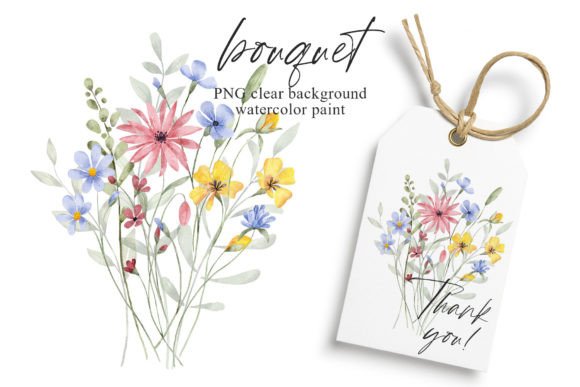
As a designer who spends equal time in digitizing software and behind an embroidery machine, I approach any new asset with a healthy dose of skepticism. When I first opened the Watercolor Flowers Sublimation Clipart collection, my immediate reaction was one of visual appreciation followed instantly by technical calculation. These illustrations are undeniably beautiful, featuring soft gradients, organic edges, and a dreamy aesthetic that is currently dominating the handmade market. However, as we know, what looks effortless on a screen can quickly become a puckered mess on fabric if not handled correctly.
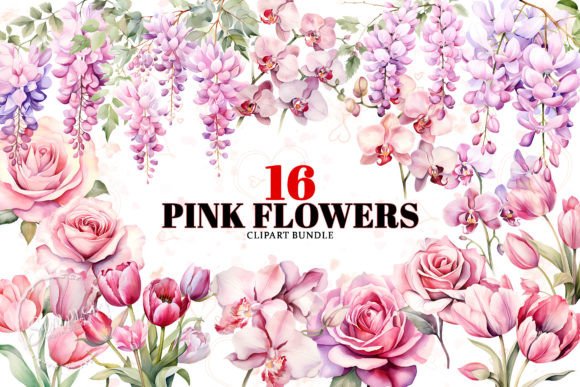
The mood these designs create is distinctly romantic and vintage-inspired. They lack the harsh, solid blocks of color found in traditional corporate logos, offering instead a painterly quality that suggests movement and light. For an embroidery project, this personality dictates the application. This isn't clipart for a rugged work jacket or a high-contrast sports cap. It naturally belongs on items where softness is a feature, such as nursery decor, bridal accessories, or boutique-style apparel. The layout of the flowers varies from loose sprays to dense bouquets, giving us options for both standalone centerpieces and complementary accents.
Real-World Application: The Custom Sweatshirt Test
To truly evaluate these assets, I mentally placed them into a current client request: a personalized crewneck sweatshirt for a spring wedding party. The bride wanted something that felt "effortlessly elegant" rather than stiff or uniform. This is where Watercolor Flowers Sublimation Clipart shines, but also where it demands respect.
If I were stitching this design directly onto a fleece sweatshirt, I would immediately identify a challenge. Fleece has a textured surface that can swallow fine details. A watercolor effect relies on subtle color transitions. In machine embroidery, achieving this requires either complex thread blending or, more commonly for this type of artwork, using the clipart as a sublimation base with embroidered outlines on top. Alternatively, if using these strictly as digital embroidery files, one must ensure the digitizer has utilized adequate underlay to prevent the fabric texture from distorting the floral shapes.
For this specific sweatshirt project, I envision using the larger floral spray as a chest piece. The key here is placement. Because watercolor art lacks hard borders, the design needs negative space to breathe. Crowding this illustration against a seam or pocket ruins the ethereal vibe. On a finished product, this design elevates the perceived value significantly. Customers associate this soft, artistic style with high-end boutiques rather than mass production. When listing this on Etsy or in a small shop, the professional presentation of the floral art signals to buyers that they are purchasing a curated, thoughtful item.
Navigating Fabric Choices and Hoop Limitations
While versatile, this clipart collection is not universal. Through years of trial and error, I have learned that watercolor aesthetics are unforgiving on certain substrates. You must exercise caution when applying these designs to:
- Highly Textured Fabrics: Terry cloth, thick canvas, or ribbed knits can obscure the delicate shading that defines this style. If you must use these fabrics, consider creating an embroidered patch on smooth twill first, then attaching it to the textured item.
- Stretchy Performance Wear: The density required to replicate a watercolor look (even with optimized fill stitches) can cause tunneling on thin, stretchy polyester. Always test on scrap fabric with appropriate stabilizer before committing to a final garment.
- Dark Backgrounds: Watercolor flowers typically rely on white or light backgrounds for their luminosity. Stitching these directly onto black or navy fabric without a white underlay base will result in muddy, dull colors that lose all their charm.
- Small Hoop Sizes: Reducing these designs below 60% of their original size often destroys the integrity of the petals. Tiny satin stitches may pull out, and running stitch details disappear. Always check the minimum recommended size in your embroidery file metadata.
Conversely, these illustrations perform exceptionally well on smooth cotton, linen, silk dupioni, and quilt-weight fabrics. For baby embroidery projects, such as bibs or blankets, the soft visual weight is perfect, provided you use a tear-away or wash-away stabilizer to keep the back comfortable against sensitive skin.
Technical Notes for Embroidery Professionals
Whether you are a hobbyist or running a commercial embroidery business, treating Watercolor Flowers Sublimation Clipart with technical discipline ensures consistent results. Here are my non-negotiable checkpoints before stitching:
- Verify Licensing and Usage: Before selling a finished tote bag design or digital embroidery file derived from these illustrations, confirm the license terms. Some clipart allows for physical product sales but prohibits reselling the digital assets or using them in printable mockups for other designers.
- Analyze Stitch Density: Open the embroidery file in your editing software. Watercolor styles can sometimes be over-digitized in an attempt to mimic paint. Check for excessive stitch overlap that could lead to needle breaks or fabric distortion. Adjust density if necessary.
- Thread Color Matching: Do not rely solely on the digital preview. Physical thread sheen interacts differently with light than matte digital pixels. Create a physical color chart test run to ensure your thread colors capture the intended warmth and saturation of the original illustration.
- Stabilizer Selection: For lightweight fabrics like tea towels or voile, use a cut-away stabilizer to support the design long-term. For heavier items like aprons or caps, a firm tear-away may suffice. Never skip stabilizer testing; watercolor designs show every ripple and pucker.
- Mockup Accuracy: When creating listings for custom apparel or personalized gifts, use realistic mockups. Avoid placing a flat, bright digital flower on a wrinkled gray sweatshirt template. The disconnect breaks customer trust. Show the design as it actually appears when stitched or sublimated.
Elevating Brand Consistency and Product Value
Beyond the mechanics of stitching, integrating Watercolor Flowers Sublimation Clipart into your workflow offers strategic branding advantages. For Etsy sellers and creative entrepreneurs, maintaining a cohesive visual identity is crucial. Using a consistent set of floral illustrations across your product line—from wedding welcome signs to embroidered napkins to digital invitations—creates a recognizable signature style.
This consistency builds buyer engagement. When a customer loves a baby blanket you made, they are more likely to return for a matching nursery pillow because the design language feels connected. Furthermore, these illustrations bridge the gap between digital and physical products. You can use the same artwork for a printable wall art download and a corresponding embroidered patch kit, maximizing the ROI on a single design asset.
However, professionalism lies in execution. A poorly stitched watercolor flower looks amateurish and damages brand reputation. Take the time to understand how the design translates from pixel to stitch. Respect the fabric limitations. Test your tension. When done correctly, these designs offer a level of sophistication that sets handmade products apart in a crowded marketplace. They transform simple blanks into cherished, giftable keepsakes that carry the unmistakable mark of thoughtful craftsmanship.
Ultimately, Watercolor Flowers Sublimation Clipart is a powerful tool for the modern maker. It invites creativity and softness into our work, but it rewards those who approach it with technical precision and practical foresight. By understanding its strengths and respecting its constraints, you can confidently incorporate these beautiful illustrations into your next embroidery project, knowing the result will be as durable as it is delightful.