Watercolor Bunny with Bamboo Clipart for Illustrations
Evaluating Organic Warmth for Artisan Brand Identity
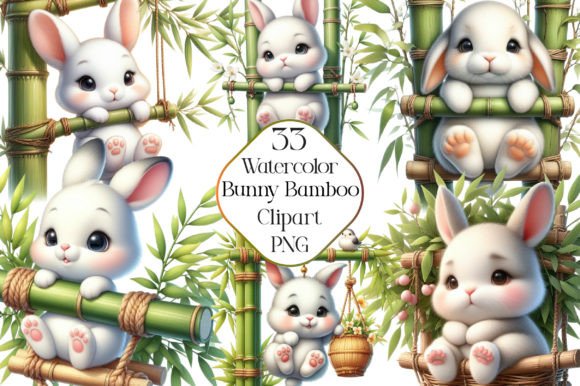
When I first opened the file for the Watercolor Bunny with Bamboo Clipart, I was immediately struck by the delicate balance between playfulness and botanical elegance. As a brand designer working primarily with local artisans and sustainable product lines, my initial assessment always focuses on emotional resonance. This specific graphic design asset does not merely depict an animal; it evokes a sense of gentle stewardship and natural purity. The watercolor texture suggests a handmade quality that digital vectors often lack, making it an ideal candidate for businesses that rely on trust, craftsmanship, and organic ingredients. For a recent project involving a small-batch baby skincare line, this illustration served as the perfect anchor for a brand identity that needed to feel safe, premium, yet approachable.
The mood created by this clipart is distinctly soft and nurturing. It avoids the overly cartoonish aesthetic that can sometimes cheapen a product's perceived value. Instead, the bamboo elements ground the bunny in a natural context, signaling eco-consciousness without being preachy. This makes the asset exceptionally versatile for modern design applications where the goal is to communicate sustainability through visual cues rather than explicit text. Whether you are branding a florist, a children’s clothing boutique, or an organic tea company, the inherent personality of this illustration supports a narrative of gentle luxury and mindful consumption.
Strategic Applications in Packaging Design and Labels
In practical commercial design scenarios, the Watercolor Bunny with Bamboo Clipart shines brightest when applied to physical touchpoints. During the packaging design phase for a hypothetical handmade soap business, I found this asset worked beautifully as a secondary mark on kraft paper labels. The transparency of the PNG design allowed the natural texture of the packaging material to show through, reinforcing the rustic, eco-friendly positioning of the product. Unlike rigid vector logos, the painted edges of this illustration blend seamlessly with textured papers, creating a cohesive tactile experience for the customer.
Beyond primary packaging, this asset is a powerhouse for supporting marketing visuals and unboxing experiences. Consider its use on thank-you cards, sticker seals, or printable inserts included in shipping boxes. These small details significantly enhance customer trust and encourage social media sharing. For social media graphics, the bunny serves as an engaging focal point in Instagram stories or Pinterest pins, breaking up text-heavy promotional content with visual warmth. In editorial design or web design, it functions effectively as a hero graphic or a decorative divider, guiding the user’s eye while maintaining a consistent brand atmosphere. For seasonal campaigns, particularly around Easter or spring launches, this illustration provides instant thematic relevance without requiring a complete brand overhaul.
Enhancing Shelf Appeal and Visual Hierarchy
A critical aspect of professional branding is ensuring the design asset supports, rather than distracts from, the product information. The Watercolor Bunny with Bamboo Clipart excels at establishing a clear visual hierarchy on crowded shelves. Its organic shape contrasts effectively with the geometric rigidity of standard product labels, drawing the eye naturally. When used correctly, it improves product recognition by creating a unique visual signature that distinguishes a local business from mass-market competitors. This stronger first impression is vital for small business branding, where shelf appeal often dictates purchase decisions.
Furthermore, this illustration fosters a stronger emotional connection with the target audience. Consumers seeking handmade or artisanal products are often looking for authenticity. The artistic imperfections inherent in watercolor illustrations signal human involvement, which builds rapport. By integrating this asset into your brand identity, you are visually communicating that your business values artistry and nature. This polished presentation elevates the perceived value of the product, justifying premium pricing and fostering long-term loyalty among customers who align with these values.
Navigating Context: Where This Asset Thrives and Where to Pause
While versatile, the Watercolor Bunny with Bamboo Clipart is not a universal solution. It performs best in environments that celebrate softness, nature, and whimsy. Boutique visuals, bakery menus, candle labels, and garden center signage are natural habitats for this style. It is particularly effective for brands targeting mothers, eco-conscious consumers, or gift shoppers. However, designers must exercise caution when applying this asset to formal corporate branding or high-tech industries. The inherent gentleness of the illustration may clash with brands attempting to project authority, precision, or industrial strength.
Careful consideration is also required regarding scale and contrast. On very small labels, such as lip balm tubes or essential oil vials, the intricate details of the watercolor brushwork may become muddy or illegible. In these instances, a simplified icon might be more appropriate. Additionally, avoid placing this asset in legal information areas or ingredient lists where clarity is paramount; the decorative nature of the bunny could inadvertently distract from mandatory compliance text. For luxury minimalist brands that rely on stark white space and sharp typography, this illustration might feel too busy unless used very sparingly as a subtle background texture. Always ensure the decoration never competes with the primary message or call to action.
Technical Due Diligence for Commercial Design Projects
Before committing the Watercolor Bunny with Bamboo Clipart to a final print run or digital campaign, rigorous testing is non-negotiable. As part of my standard workflow, I always test the asset on real product mockups under various lighting conditions. Screen brightness can be deceptive; a watercolor wash that looks vibrant on a monitor may print faintly on uncoated paper. Verify the resolution is sufficient for the intended size, especially for large format posters or banners. If you are using a PNG design, inspect the transparency mask closely for jagged edges or white halos that could ruin a dark background application.
Typography pairing is another crucial technical check. Test the illustration beside your chosen serif, sans serif, script, and handwritten fonts. The organic flow of the bunny typically pairs well with elegant serifs or clean sans serifs but may clash with overly ornate display fonts. Ensure there is adequate breathing room between the graphic and the type to maintain readability. Finally, and most importantly, confirm the commercial license before using the asset for any client work or product sales. Understanding the specific terms regarding modification, redistribution, and end-product limits protects both the designer and the business owner. Whether sourced from a creative marketplace or a direct artist, verifying usage rights is the foundation of ethical and professional branding.
Ultimately, the Watercolor Bunny with Bamboo Clipart is a valuable tool in the modern designer’s arsenal for local business branding. When applied with strategic intent and technical precision, it transforms generic packaging into a storytelling medium. It bridges the gap between digital convenience and artisanal soul, helping small businesses compete in a saturated market through the power of authentic visual communication. By treating this illustration not just as decoration, but as a strategic brand element, entrepreneurs can create meaningful connections that resonate far beyond the initial sale.