Watercolor Mouse Sleeping in Flower Clip: Illustrations Review
First Impressions: Evaluating Whimsy for Client Work
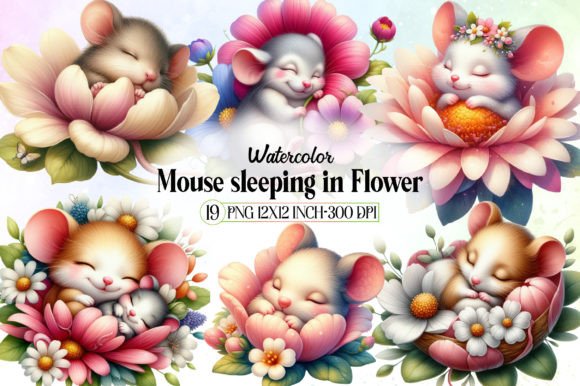
When sourcing a graphic design asset for a boutique client, the initial emotional impact is just as critical as technical quality. Upon reviewing the Watercolor Mouse Sleeping in Flower Clip, the immediate impression is one of serene nostalgia and gentle storytelling. This is not merely a generic animal graphic; it carries a specific narrative weight that suggests safety, dreams, and organic beauty. For a designer tasked with building a visual identity for a handmade business or a children’s product line, this illustration offers an instant mood anchor.
The watercolor texture feels authentic rather than digitally simulated, which is a major positive for modern design projects aiming for an artisanal touch. The color palette appears soft yet distinct, avoiding the neon saturation that often plagues digital clipart. In a real-world scenario, such as developing packaging for an organic baby skincare brand or creating stationery for a woodland-themed nursery, this asset bridges the gap between professional polish and handcrafted warmth. It signals to the end consumer that the brand values gentleness and natural aesthetics, establishing immediate visual trust before they even read the copy.
Strategic Applications Across Print and Digital Media
Versatility is the hallmark of any valuable design bundle. In my assessment of the Watercolor Mouse Sleeping in Flower Clip for commercial application, I tested its adaptability across various mediums relevant to small business branding and content creation.
- Packaging Design and Product Labels: This illustration serves as an exceptional focal point for jar labels, box sleeves, or tissue paper patterns. Its organic shape breaks up rigid grid layouts, adding a human element to retail shelves.
- Social Media Graphics and Pinterest Pins: For bloggers and marketers, this asset provides necessary negative space for text overlays. It works beautifully in Instagram carousels promoting seasonal sales or blog posts about mindful parenting, enhancing engagement through emotional resonance.
- Print-on-Demand and Merchandise: As a sublimation design or direct-to-garment graphic, the sleeping mouse translates well to t-shirt design, tote bags, and mugs. The composition is self-contained, making it easy to center on apparel without requiring extensive additional framing.
- Cricut Projects and Sticker Design: Crafters will appreciate the clear silhouette. If utilizing the SVG design version, the layers should separate cleanly for vinyl cutting, making it ideal for planner stickers, laptop decals, or scrapbooking embellishments.
- Editorial and Web Design: Used as a decorative accent in website headers or newsletter footers, it softens the user experience. It functions effectively as a visual break in long-form content, maintaining reader interest without distracting from the core message.
Optimal Placement Versus Layout Risks
While the Watercolor Mouse Sleeping in Flower Clip is charming, professional judgment requires knowing where not to use it. Understanding spatial hierarchy ensures the asset enhances rather than hinders communication.
Where It Thrives
This illustration demands breathing room. It performs best in large layout areas where the delicate brushwork can be appreciated. Hero graphics on landing pages, full-bleed book covers, or centered product mockups allow the detail to shine. It is also highly effective as a supporting brand element in themed collections, such as a "Sweet Dreams" campaign or a spring floral series. When used in printable design like wall art or greeting cards, the scale allows the watercolor bleeding and texture to remain visible and intentional.
Where Caution Is Required
Avoid placing this asset in crowded layouts or complex backgrounds where its soft edges might get lost. It struggles in minimalist corporate branding or high-tech contexts where clean lines and geometric precision are expected. Furthermore, be wary of using it at very small sizes, such as tiny icons or dense footer text; the intricate details of the flower petals and mouse fur may muddy into an unrecognizable blob. In low-contrast designs, ensure the background color does not swallow the lighter washes of the watercolor, compromising legibility and visual impact.
Technical Due Diligence for Commercial Licensing
Before integrating the Watercolor Mouse Sleeping in Flower Clip into a paid client project or an Etsy product listing, rigorous technical testing is non-negotiable. A beautiful image that fails in production is a liability.
- Verify File Integrity: Inspect the PNG design transparency. Zoom in to 400% to check for jagged edges or white halos around the subject. Clean masking is essential for professional compositing.
- Contrast and Color Testing: Test the file in black and white to ensure value contrast holds up without color reliance. Preview it against both light cream and dark charcoal backgrounds to confirm versatility.
- Typography Pairing: Experiment with different typefaces. A delicate serif font complements the traditional watercolor feel, while a playful handwritten font enhances the whimsy. Avoid heavy industrial sans-serifs unless aiming for ironic juxtaposition.
- Print Validation: Never assume screen accuracy equals print quality. Run a test print on your target substrate (cardstock, fabric, vinyl) to check color fidelity. Watercolors can sometimes print darker or flatter than anticipated.
- Licensing Confirmation: Scrutinize the commercial license terms. Confirm whether you can use the asset in physical products, digital templates, or logos. Some licenses restrict use in Canva template creation or require attribution. Protect your client and yourself by adhering strictly to these boundaries.
Enhancing Brand Narrative Through Visual Softness
In the current creative marketplace, audiences are increasingly drawn to authenticity and comfort. The Watercolor Mouse Sleeping in Flower Clip is more than a decorative object; it is a strategic tool for emotional connection. For a brand owner or marketer, this asset communicates care, patience, and attention to detail—qualities that are difficult to convey through typography alone.
When incorporated thoughtfully into brand identity systems, it helps differentiate a small business from mass-market competitors. It transforms a standard marketing visual into a piece of art that invites lingering attention. Whether used for a local event flyer, a digital ad campaign, or a bespoke wedding invitation suite, this illustration anchors the design in a feeling of tranquility. However, its success relies entirely on the designer's restraint and technical diligence. By respecting the asset's delicate nature and verifying its production readiness, professionals can leverage this charming graphic to create work that is not only visually stunning but commercially viable and deeply resonant with target audiences.